Auracell Journal
How Your Skin Changes With Age: A Guide to Everyday Care
Understand common changes in skin as it ages and explore a considered approach to cleansing, moisturising and everyday sun protection.
Read the guide
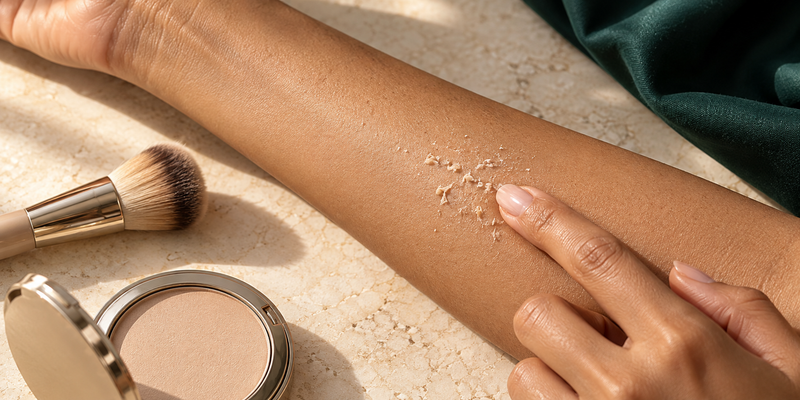
As skin ages, it can become drier, thinner and less firm. Lines, changes in texture and uneven pigmentation may become more noticeable. These changes vary between people. Everyday care can focus on comfort, gentle handling and sun protection as your skin's needs change.
At AURACELL, Bloom at your own pace means making room for your own experience of care. Paying attention to what your skin feels like today gives you a useful starting point.
What changes can you notice?
MedlinePlus, from the US National Library of Medicine, describes dryness, wrinkles, pigment changes and reduced fullness among common changes with age.
| Area of change | What you may notice |
|---|---|
| Moisture and comfort | Skin may feel drier or need a different moisturising routine. |
| Firmness and fullness | Changes in supporting tissue and underlying fat can affect how firm or full skin looks. |
| Texture and pigmentation | Lines and spots can become more visible, particularly in sun-exposed areas. |
The MedlinePlus medical encyclopedia explains that skin structure, oil production and connective tissue change with age. Sun exposure, genetics and other factors also influence what you notice. A table of common changes cannot diagnose a particular patch, spot or symptom.
Age and sun exposure both matter
The American Academy of Dermatology identifies sun protection as a foundation of care for ageing skin. Seeking shade, covering exposed skin and choosing suitable sunscreen are practical habits you can continue over time.
Your routine can adapt to your current skin needs. An age milestone alone does not tell you which new product to buy or how many steps to add.
How can you adapt your everyday care?
Keep cleansing gentle
If skin feels dry, review how you wash it. The AAD's dry-skin guidance recommends gentle cleansing and warm water rather than hot water. Avoid scrubbing a dry or uncomfortable area.
Choose moisturising care for comfort
The same guidance recommends applying moisturiser after washing while skin is still damp. Choose a formula suited to your needs, and ask a healthcare professional about dryness that continues or becomes uncomfortable.
Keep sun protection consistent
The AAD recommends a broad-spectrum, water-resistant sunscreen with SPF 30 or higher. Follow its application and reapplication instructions, and combine it with shade and protective clothing when outdoors.
Introduce a new formula gradually
Make it easier to observe your response by introducing one new product at a time. Our guide to introducing new skincare covers small-area product checks and what to watch for.
Where the Bloom Duo fits into your care
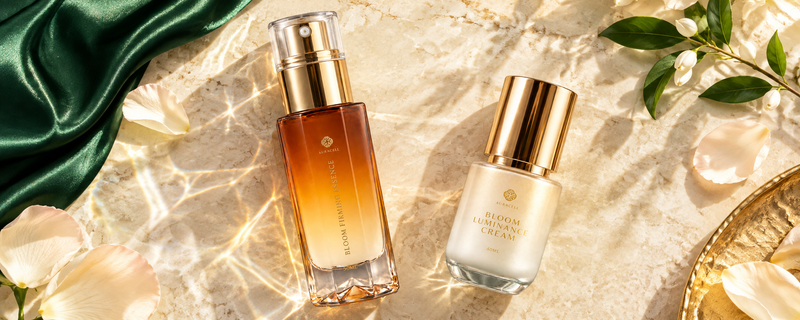
The AURACELL Bloom Duo Set pairs Bloom Firming Essence 50 ml with Bloom Luminance Cream 40 ml. The Essence is the water-light step after cleansing and toning. The Cream is the daytime tone-up step for a luminous finish.
A separate moisturiser can be included according to your skin's needs and each formula's instructions. Keep the current product labels as your reference for application and sun protection.
Our essence and tone-up cream guide explains the product roles, while the Bloom routine guide sets out their sequence. For the full ingredients and contents, visit the Bloom Duo product page.
Make room for individual advice
If you notice a new or changing skin growth, persistent irritation or a symptom that worries you, speak with a qualified healthcare professional. Product information and general skincare articles cannot assess an individual skin concern.
For questions about the Bloom formulas or their current directions, AURACELL customer care can help you find the relevant product information.
Sources and further reading
General guidance checked on 2 November 2026. Product details come from AURACELL. The educational sources below do not establish an age-reversal result or clinical efficacy claim for Bloom.