Auracell Journal
Why Sunscreen Matters Every Day
A practical guide to daily sun protection, sunscreen labels and application, with clear context for your daytime skincare routine.
Read the guide
Sunscreen helps protect skin from ultraviolet (UV) radiation, which can cause sunburn and contribute to premature skin ageing and skin cancer. The American Academy of Dermatology recommends using it every day on uncovered skin when you will be outdoors.
A daily habit makes room for ordinary exposure: the walk to lunch, an outdoor appointment or time in the garden. Planning protection alongside your morning skincare helps you remember it before you leave.
Cloudy weather still deserves attention
You cannot reliably judge UV exposure by how warm the day feels. The World Health Organization explains that UV radiation cannot be seen or felt, and levels can remain high under cloud cover.
Check the local UV Index when planning time outside. WHO recommends sun protection when it reaches 3 or above. Think about shade and clothing as well as sunscreen; these measures work together.
What should you look for on a sunscreen label?
The AAD recommends broad-spectrum, water-resistant sunscreen with SPF 30 or higher. These terms describe different aspects of protection.
| Label term | What it tells you |
|---|---|
| Broad spectrum | Protection against both UVA and UVB rays. |
| SPF | A measure of sunburn protection. Follow the application and reapplication directions as well as checking the number. |
| Water resistant | Protection has been assessed for a stated period in water. Check the label for that period and when to reapply. |
The FDA explains that SPF is not a clock for how long you can stay in the sun. Exposure intensity, application amount and reapplication all affect protection.
Make application part of your day
Keep your sunscreen's directions available. The FDA's application guidance emphasises using enough, applying before sun exposure and reapplying.
- Plan before going out. Check the forecast and UV Index, and bring a hat or protective clothing when appropriate.
- Apply as directed. Follow the label's amount and timing instructions, covering exposed areas such as the ears, neck and hands.
- Reapply during outdoor time. General guidance is at least every two hours, and after swimming or sweating according to the label. Follow its instructions after towel drying too.
- Use shade and clothing. A sunscreen application is one part of sun protection. Continue to make room for other protective measures.
Choose a texture you are comfortable using consistently. If you have a skin condition, a history of reactions or questions about a prescribed treatment, ask a qualified healthcare professional for individual guidance.
Where does a tone-up cream fit?
A tone-up finish describes the appearance a formula gives the skin. Check the current label for its stated UV protection, application amount and reapplication directions. The cosmetic finish alone does not tell you those details.
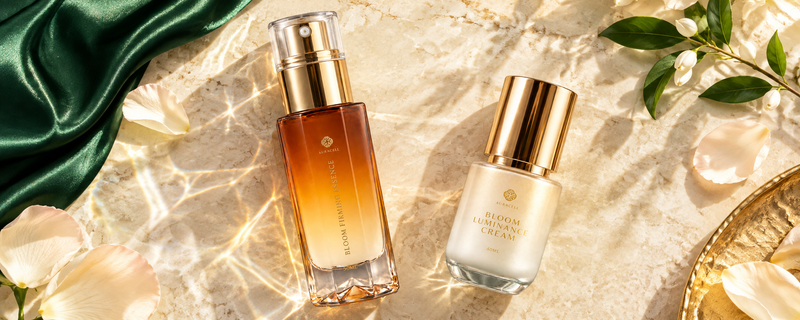
In the AURACELL Bloom Duo, Bloom Firming Essence 50 ml is the water-light essence step and Bloom Luminance Cream 40 ml is the daytime tone-up step. Follow the current packaging directions for each formula and for the sunscreen in your routine.
Our essence and tone-up cream guide explains these roles. For the application sequence, read how to use the Bloom Duo.
What if your sunscreen pills before makeup?
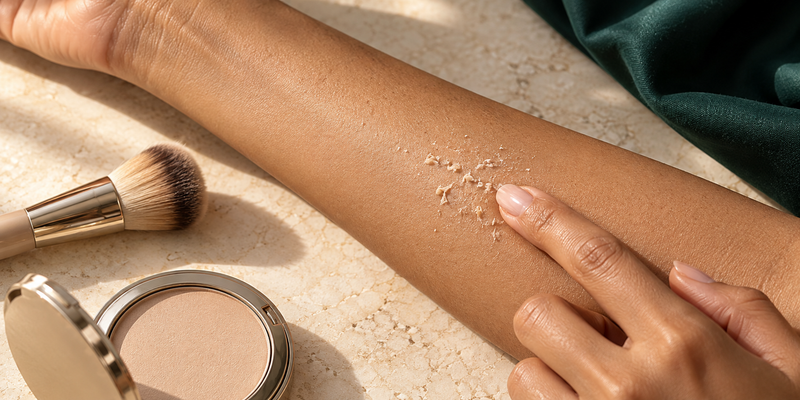
Keep its application amount and protection directions intact while checking optional layers and application technique. Our guide to skincare pilling before makeup offers a practical way to record when rolling begins.
For questions about Bloom's current product information, contact AURACELL customer care. Personal skin concerns are best discussed with a qualified healthcare professional.
Sources and further reading
General guidance checked on 2 November 2026. Source recommendations are general education; they do not establish a protection rating or clinical result for a particular AURACELL formula.